Expedia Grand Circle™
Reimagining American Tourism Through Cruise-Style Rail Expeditions
Travel & Hospitality | Passenger Rail | Experiential Tourism
A strategic proposal prepared from the perspective of the CEO of Expedia Group: a dedicated modern passenger train that acts as a moving hotel, restaurant, and entertainment venue, carrying travelers on circular journeys across the United States — board once, unpack once, return to the same city.
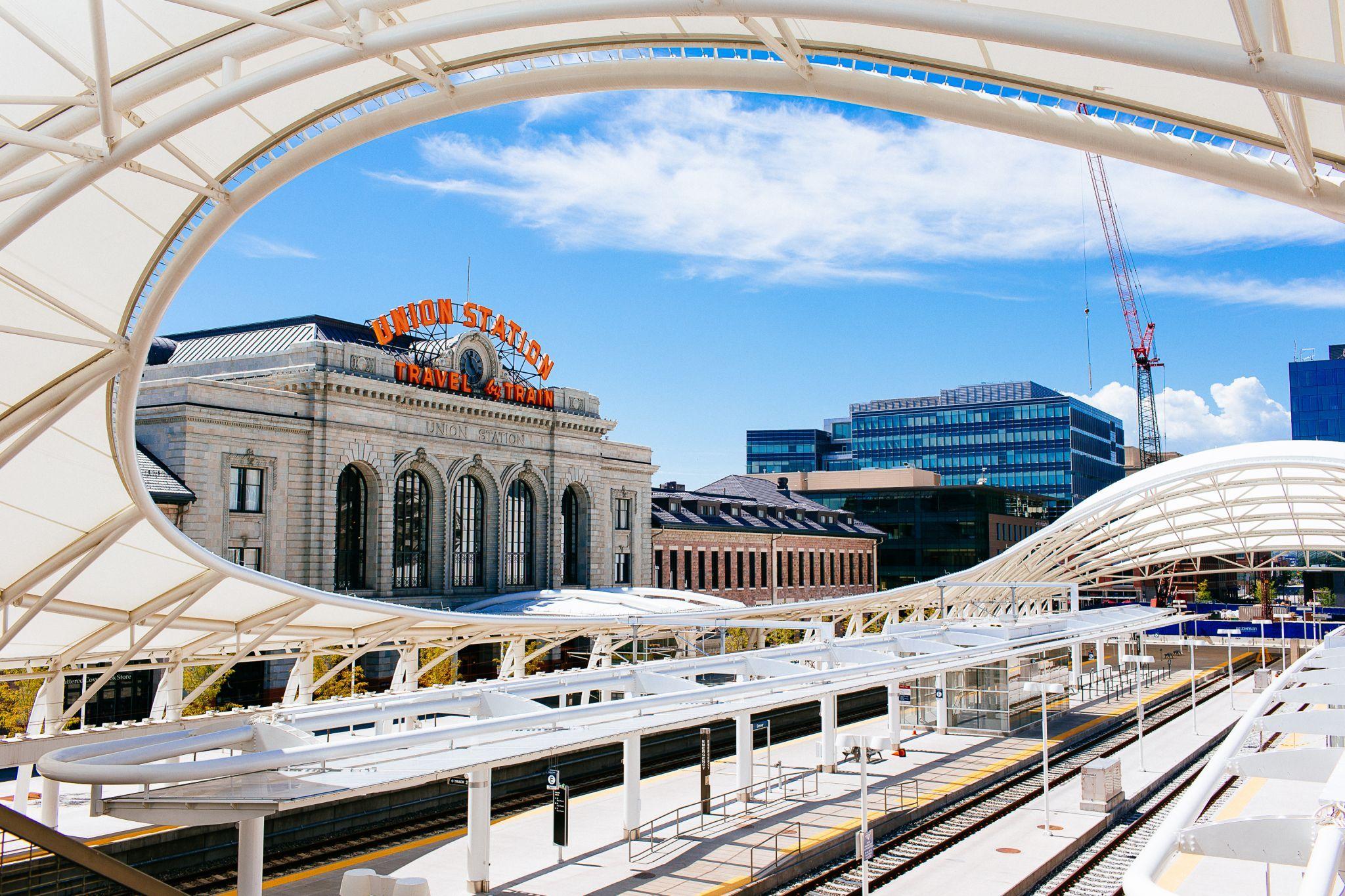
Union Station, Denver — the arrival moment the product promises: one train, one platform, the whole country ahead.
Strategic vision
One Train. A Thousand Experiences. One Extraordinary America.
Board once. Unpack once. Discover the country. The product competes for discretionary vacation spending, not for transportation bookings.
Document status
An independent, hypothetical executive strategy proposal. It is not an official Expedia Group initiative, and all financial projections, product names, and partnership targets are illustrative.
Planning horizon
2027–2032
Geography
United States, with international expansion potential
Stage
Concept validation / Pre-feasibility
Decision
Feasibility budget only — no fleet purchase
Product overview
A Train That Is the Vacation, Not the Transport
Existing American rail vacation providers mostly sell transportation-based itineraries: conventional packages, selected luxury experiences, and private cars attached to scheduled services.
Grand Circle proposes a different product. A dedicated train serves as moving hotel, restaurant, entertainment venue and transport platform, carrying travelers on circular journeys across the United States. Passengers board in a major city, explore several regions over 10–30 days, and return to the city they started in.
Grand Circle Modern™
FlagshipContemporary circular rail expeditions with private cabins, panoramic observation and full-service dining.
Broadest addressable market. Not built on nostalgia — modern interiors aimed at mainstream premium travelers.
Grand Circle Signature™
PremiumPremium rolling stock with chef residencies, regional tasting menus and exclusive destination events.
Higher prices come from differentiated programming, not expensive decoration alone.
Grand Circle Heritage™
SpecialistClassic journeys aboard restored historic equipment, with traditional service and themed itineraries.
A smaller, specialized market. Its design language is never imposed on Modern or Signature.
Grand Crossing™
ComplementDedicated coast-to-coast expeditions, San Francisco to New York, without returning to the origin city.
A second commercial use for compatible equipment and a one-way alternative to the circular model.
How travelers board, unpack, and return
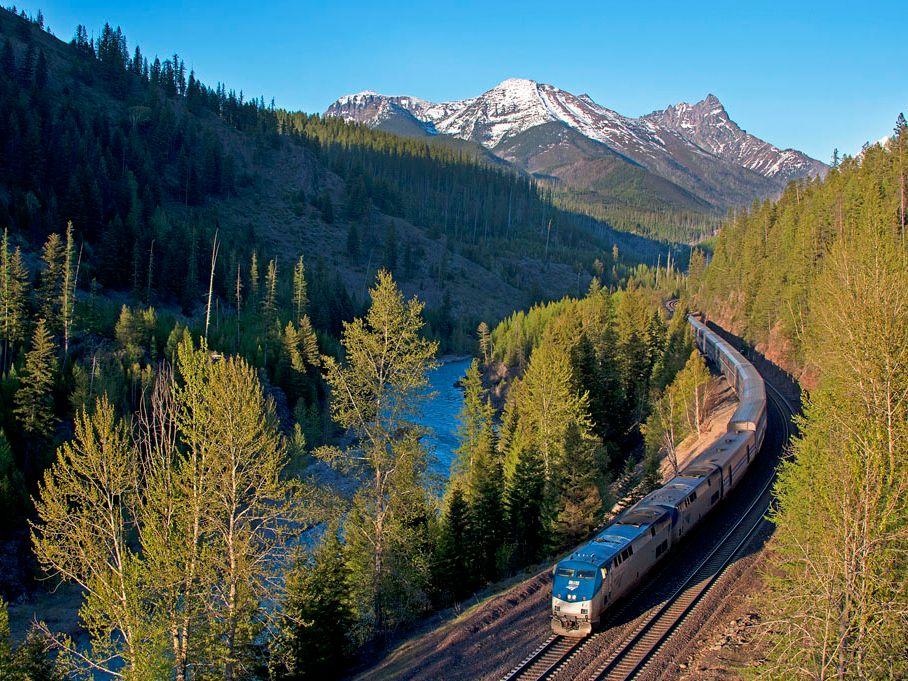
One home for the journey
No hotel changes, no repacking, no mid-trip transfers
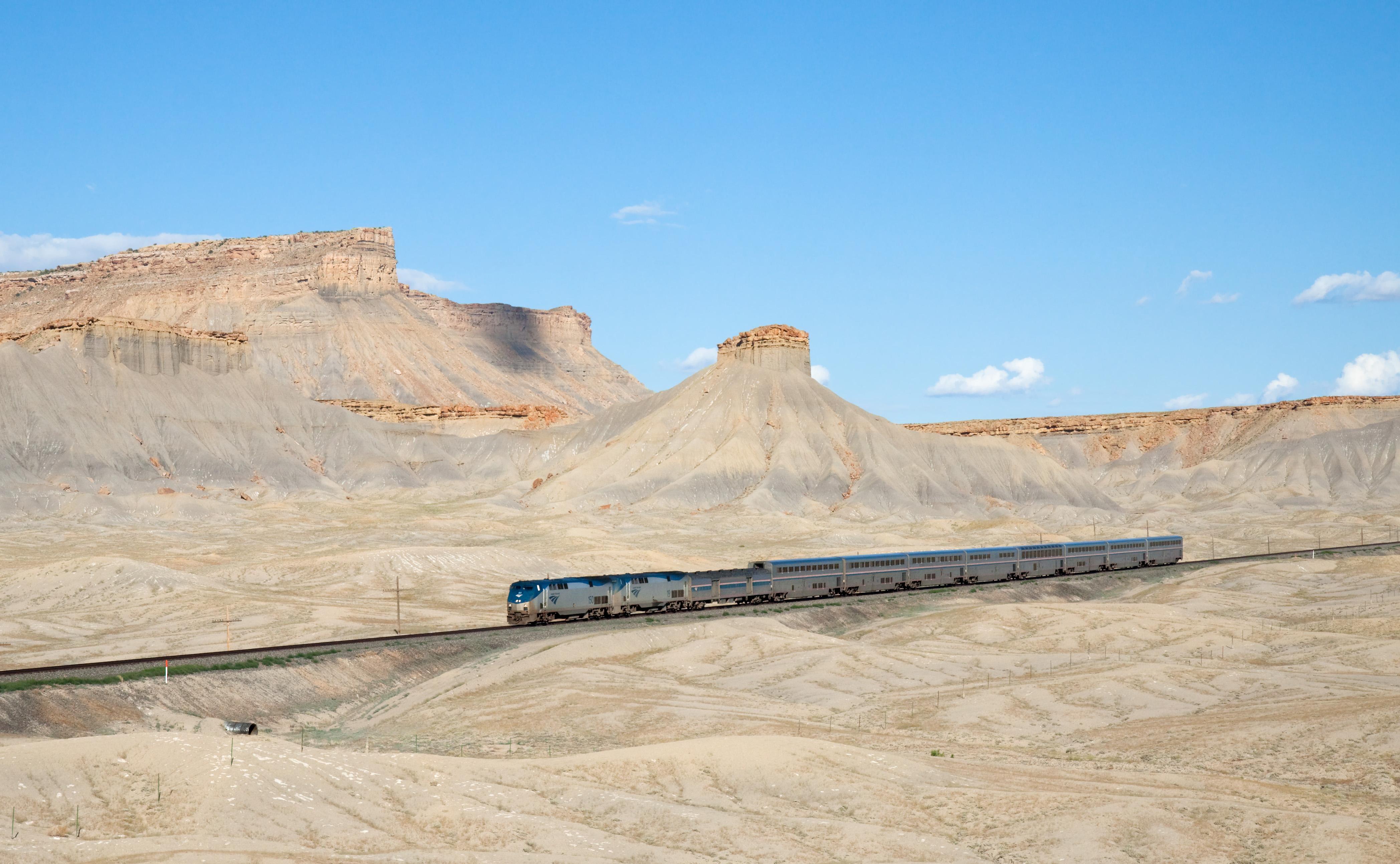
Inland reach
Regions a cruise ship can never deliver
Scope of this document
What it is
An executive investment proposal for a dedicated passenger train operating circular multi-destination vacations across the United States.
What it is not
Not an official Expedia Group initiative, not a bookable product, and not a substitute for the private railcar programmes that already exist.
Current state
Concept validation and pre-feasibility. No route is contracted, no equipment secured, and no projection has been validated by an operator quote.
This is an independent, hypothetical executive strategy proposal. It is not an official Expedia Group initiative, and all financial projections, product names and proposed partnerships are illustrative.
Strategic context
Why Expedia, and Why This Category Is Still Open
Expedia is positioned to evaluate this opportunity because the capabilities required to sell the product already exist inside the company, while the physical operation can be contracted to a qualified railroad partner.
The category gap is real: the United States offers airlines, hotels, cruises and road trips, but almost nothing in cruise-style, multi-destination rail vacations aboard a dedicated train.
$119.6B
Gross bookings
FY2025 reported
$14.7B
Revenue
FY2025 reported
$3.5B
Adjusted EBITDA
FY2025 reported
3.6M
Lodging properties
Available inventory
Reported fiscal 2025 company figures. These are not forecasts for Grand Circle.
Capabilities the proposal would reuse
Distribution
Reach travelers through existing consumer brands and commercial channels.
Travel packaging
Bundle accommodations, excursions, transportation and additional services.
Customer intelligence
Identify relevant segments and personalize recommendations.
Technology
Itinerary visualization, reservations, guest management and disruption support.
Partnerships
Agreements with rail operators, hospitality companies and experience providers.
Where each travel category leaves a gap
Air travel
Speed and geographic reach
Limited experience between destinations
Road trips
Flexibility and independence
Driving fatigue, repeated hotel changes
Ocean cruises
Convenient multi-destination vacation
Restricted to navigable waterways
Conventional rail
Scenic transportation
Schedules built around transport, not vacation
Luxury rail
Premium onboard experience
High prices, limited availability
Grand Circle
Cruise convenience with inland reach
Unproven rail access and economics
Market sizing discipline
Total addressable
Annual spending on multi-destination leisure vacations among consumers who could reasonably consider rail expeditions.
Serviceable available
Travelers reachable through the proposed departure cities, itineraries, budgets and durations.
Serviceable obtainable
Passengers realistically served given train capacity, departure frequency and expected occupancy.
Combining cruise passengers, premium domestic travelers and international visitors would double-count customers and exaggerate demand. No credible market size is claimed here.
What the first research program must answer
- 01Will customers choose a 14–21-day rail vacation over a cruise or land tour?
- 02What price is acceptable for modern private sleeper accommodation?
- 03Which departure cities produce the strongest demand?
- 04How important is returning to the original departure city?
- 05Do celebrity culinary experiences materially increase willingness to pay?
- 06Which segments prefer circular expeditions versus coast-to-coast travel?
Market potential is plausible. Product-market fit remains unproven.
Customers & positioning
Competing for Vacation Budgets, Not for Tickets
Grand Circle should not be marketed only to luxury travelers or railway enthusiasts. Its competitive set is discretionary vacation spending: premium cruises, escorted tours, luxury road trips and high-end resorts.
| Segment | Motivation | Product fit | Priority |
|---|---|---|---|
| Affluent leisure travelers, 45–75 | Comfort, scenery, cultural exploration | Modern / Signature | High |
| Couples, 30–60 | Unique vacations and shared experiences | Modern / Signature | High |
| International visitors | Explore multiple U.S. regions in one trip | Modern / Grand Crossing | High |
| Culinary enthusiasts | Celebrity chefs and regional food | Signature | High |
| Families with children | Educational, convenient vacations | Modern | Medium |
| Rail enthusiasts | Historical equipment and railway culture | Heritage | Medium |
| Corporate groups | Incentive travel and private experiences | Signature charters | Secondary |
These segments are initial hypotheses requiring customer research.
Expedia Grand Circle offers the convenience of a cruise, the comfort of a modern hotel, and the discovery of an American road trip, all aboard one dedicated train.
Competitive differentiation
| Dimension | Rail vacation | Ocean cruise | Grand Circle |
|---|---|---|---|
| Same accommodation throughout | Sometimes | Yes | Yes |
| Returns to departure city | Not necessarily | Often | Yes, circular products |
| Explores inland America | Yes | Limited | Yes |
| Dedicated culinary program | Varies | Common | Signature feature |
| Contemporary sleepers | Varies | Yes | Core requirement |
| Regional cultural excursions | Often | Often | Core offering |
| Coast-to-coast option | Yes | Not equivalent | Yes |
Combining features does not create a defensible position. Advantage has to be earned through execution, service quality, exclusive programming and operational access.
Product strategy & execution
Six Itineraries, One Continuous Onboard Home
A circular journey is a commercial promise as much as a geographic one: passengers keep the same cabin and the same train from first departure to final arrival, without arranging return transport.
Pacific & Southwest Circle
Los Angeles
10–14 days
Desert, coast, food, culture
Grand Western Circle
San Francisco Bay Area
14–21 days
Mountains, national parks, Western heritage
American Heartland Circle
Chicago
14–21 days
Music, food, history, Great Lakes
Grand American Circle
San Francisco Bay Area
21–30 days
Multi-region national expedition
Eastern Heritage Circle
New York metropolitan area
10–14 days
Historic cities, Appalachian scenery
Grand Crossing
West Coast to East Coast
10–21 days
Transcontinental discovery
These are proposed commercial products, not approved rail itineraries. The precise sequence of any route must be determined by track infrastructure, operating permissions and acceptable journey times.
The flagship concept
California
Wine country, culinary experiences, coastal attractions and major cities.
Southwest
Desert scenery, Indigenous cultural experiences developed with participating communities, national park excursions.
Texas
Barbecue, Western heritage, regional music and local food culture.
Louisiana
Creole and Cajun cuisine, jazz, architecture and cultural history.
Midwest
Chicago architecture, American industrial history, regional culinary traditions.
Rocky Mountains
Scenic landscapes, outdoor excursions and mountain communities.
Return journey
Additional Western destinations and onboard farewell programming, ending where the journey began.
Grand Circle requires one continuous onboard experience, not a geometrically circular track alignment. Reversing direction, changing locomotives or using connecting tracks is acceptable. Requiring passengers to transfer to another train mid-expedition is not.
Route feasibility — six conditions before any route is marketed
| Requirement | Evaluation |
|---|---|
| Track continuity | Can the complete train physically traverse the route? |
| Operating rights | Will the relevant railroads authorize the movements? |
| Infrastructure | Train length, clearance, axle load and platform compatibility. |
| Servicing | Water, fuel, waste, food and maintenance requirements. |
| Destination access | Can passengers board, disembark and reach excursions safely? |
| Reliability | Can the journey run with acceptable schedule buffers? |
Onboard experience
Pacific & Southwest
Coast, desert and inland food culture
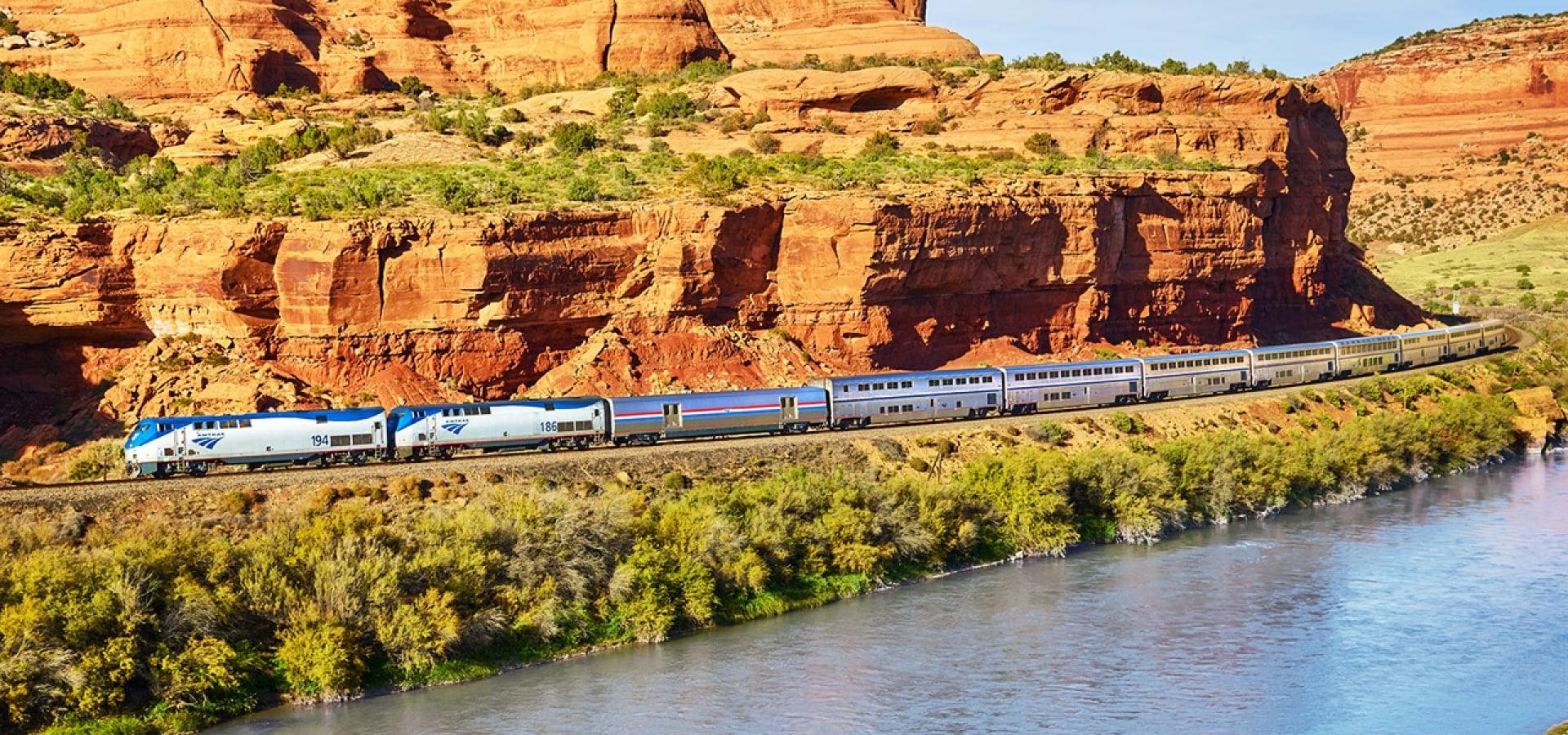
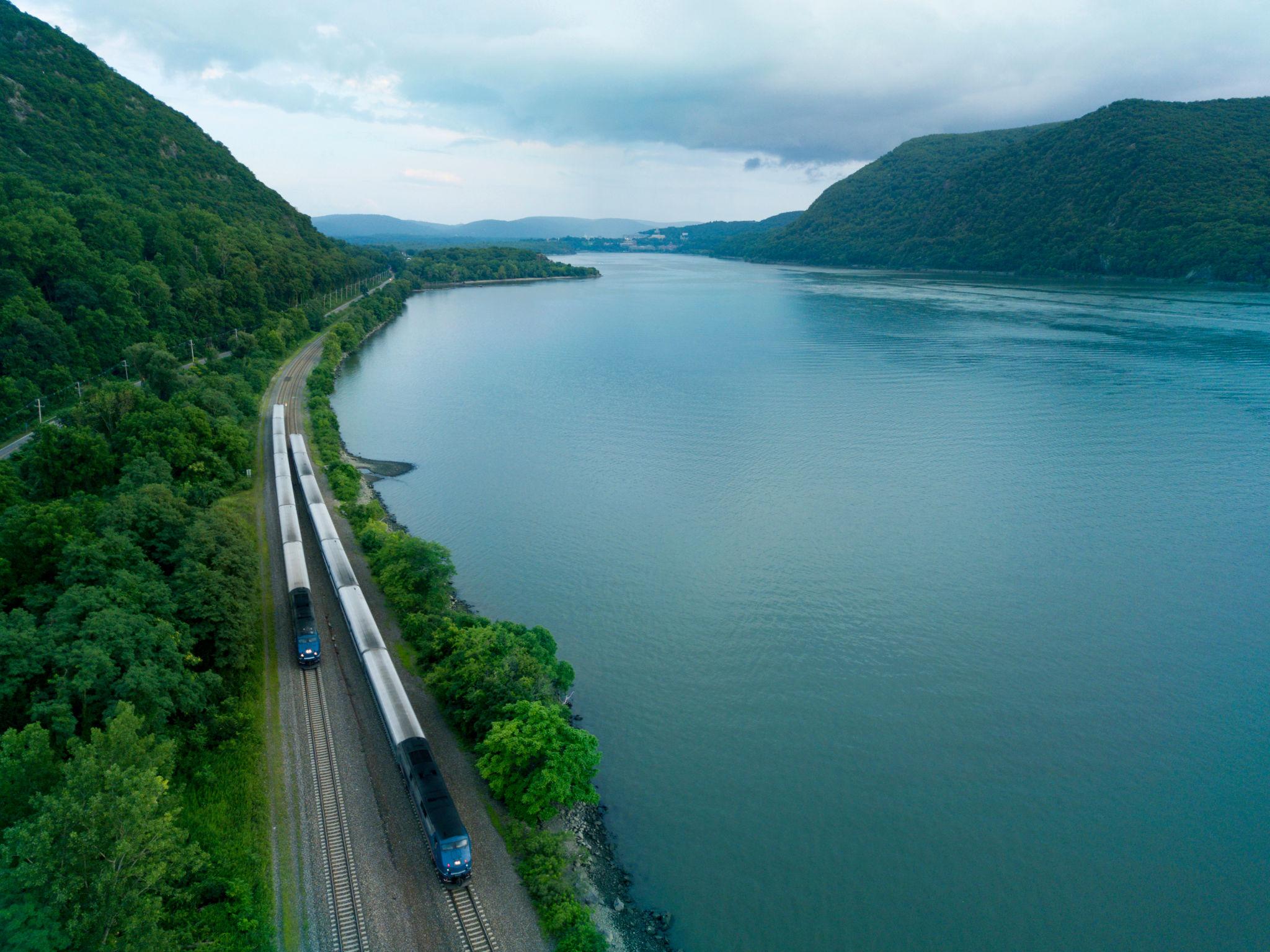
Southwest
Scenery that carries the itinerary
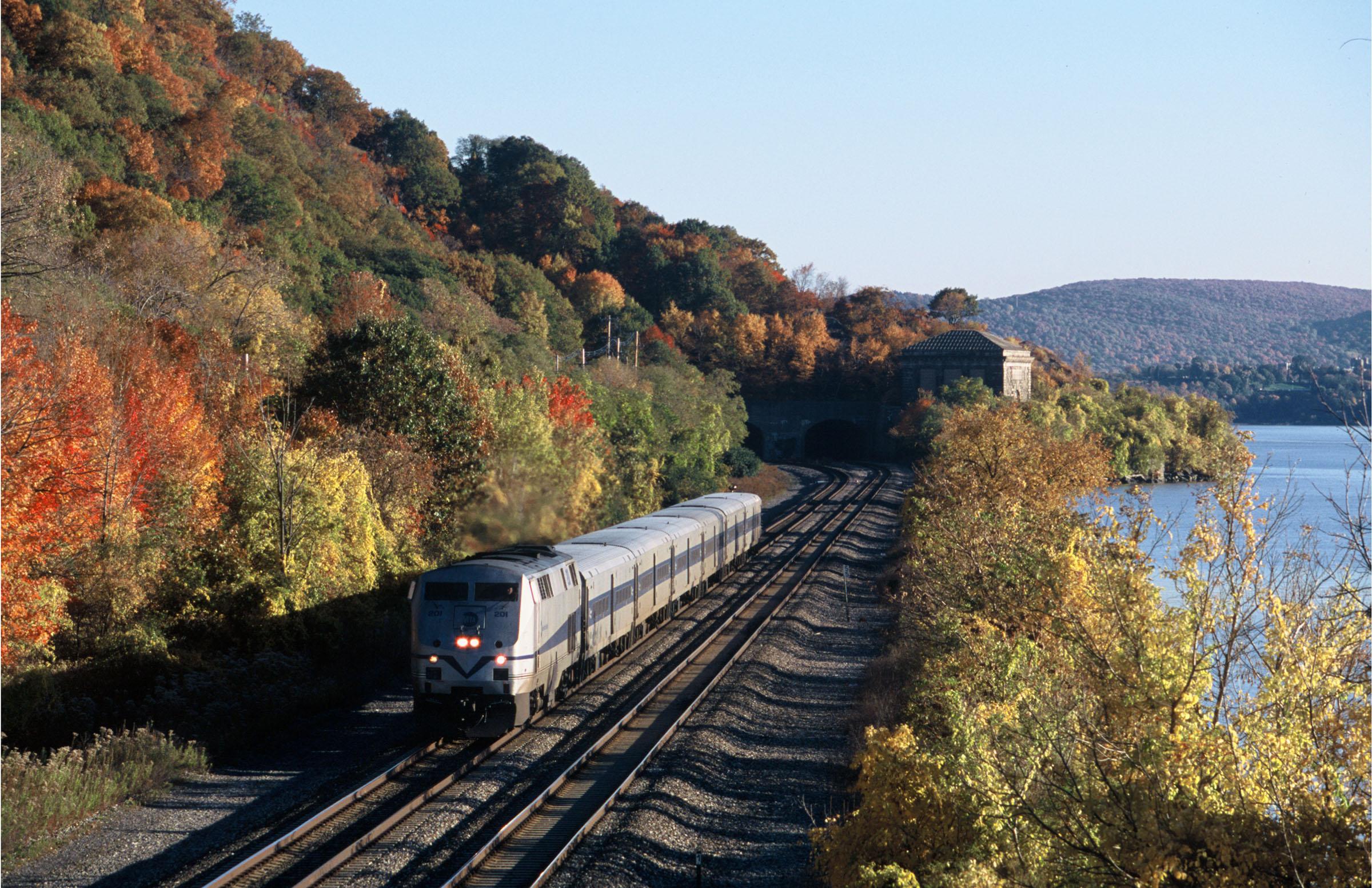
Eastern Heritage
Historic cities and Appalachian corridors
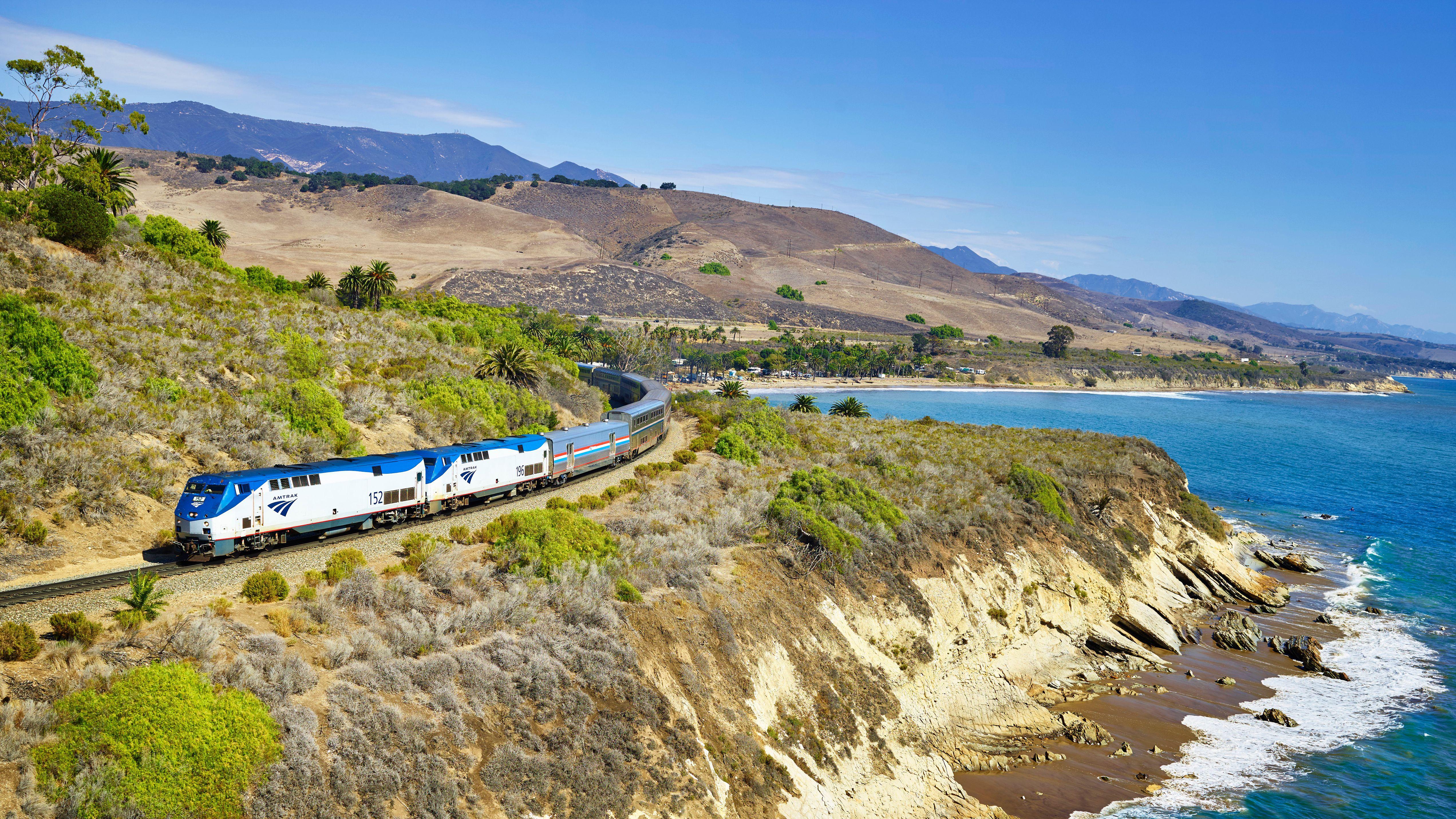
Grand Crossing
The one-way transcontinental alternative
Cabin architecture
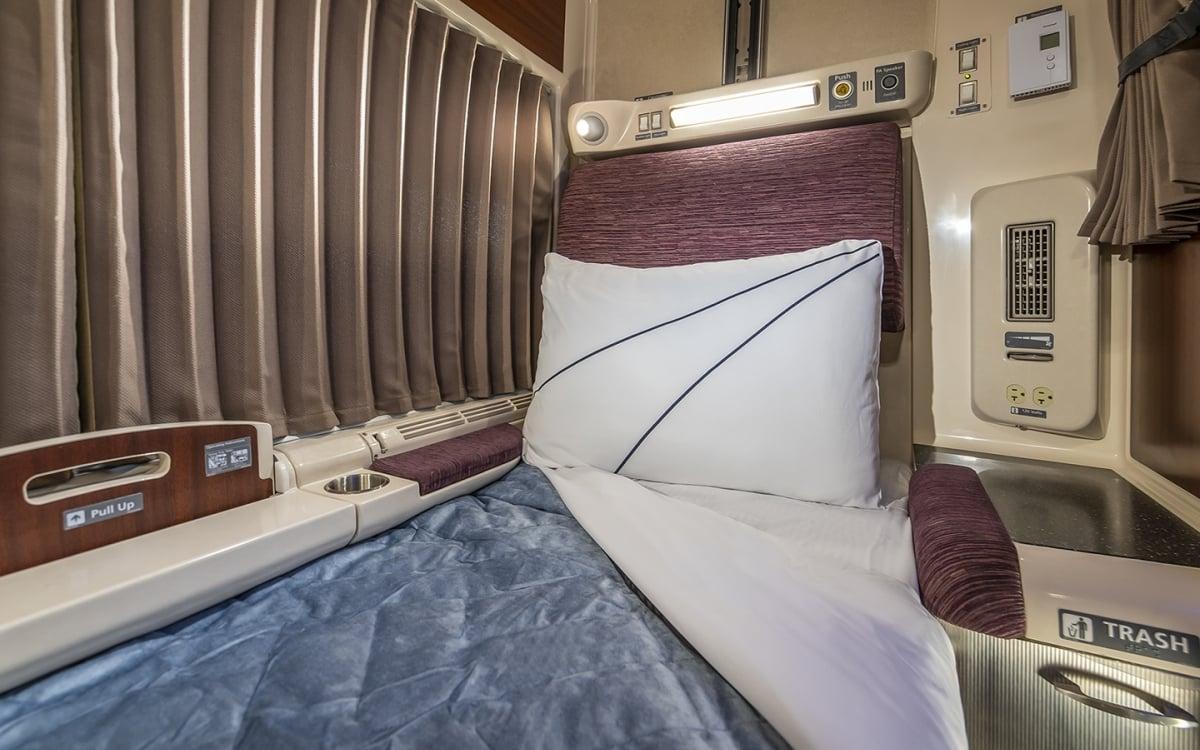
Modern sleeper accommodation: private, compact, and designed for contemporary travelers rather than nostalgia.
Explorer
$4,999–$5,999
Entry premium
Compact private cabin, shared facilities
Comfort
$6,499–$7,999
Mainstream premium
Larger sleeping accommodation, upgraded amenities
Panorama
$8,499–$10,999
Premium scenic
Enhanced viewing configuration and additional space
Grand Suite
$12,999–$17,999
Luxury
Private bathroom, expanded living space, concierge
All categories share access to restaurants, lounges, entertainment and destination programming. Premium should describe the journey, not only the most expensive cabin.
Train configuration and digital layer
Accommodation
Private sleeping cabins and suites
Panoramic observation
Scenic viewing and photography
Main restaurant
Full-service dining
Casual dining
Breakfast, snacks, coffee, lighter meals
Culinary studio
Cooking demonstrations and guest chef events
Social lounge
Music, conversation and entertainment
Multipurpose venue
Lectures, educational events, private gatherings
Service infrastructure
Kitchens, storage, crew facilities, utilities
Digital layer
Cabin: climate controls, adjustable lighting, charging, digital service requests
Connectivity: terrestrial and satellite Wi-Fi with honest coverage expectations
Guest app: daily itinerary, reservations, activities, menus, service requests
Digital concierge: destination guidance, accessibility info, excursion coordination
Entertainment: optional cultural programming and destination documentaries
The train must stay comfortable and functional when connectivity is unavailable.
Too many accommodation cars undermine the guest experience; too many amenities cut passenger capacity. Final car counts and passenger capacity depend on a detailed rolling-stock design that does not yet exist.
Commercial model
Food as the Differentiator, Economics as the Constraint
The culinary program is a product differentiator rather than a food-and-beverage department, while the financial model is deliberately conservative: one departure, fully costed, and still short of an approval threshold.
Rotating chef residency
California
Farm-to-table cuisine and wine pairing
Arizona / New Mexico
Southwestern regional cuisine
Texas
Barbecue masterclass
Louisiana
Creole and Cajun culinary residency
Chicago
Regional tasting experience
Colorado
Mountain-inspired cuisine
Partnership targets
Creative partnership targets only. No affiliation, negotiation or availability is implied.
Operating safeguard
A resident executive chef and permanent culinary team maintain consistent service across the full journey. Celebrity appearances must enhance the experience, never become a dependency for normal restaurant operations.
Revenue streams
Primary
Expedition tickets including accommodation, transport, core dining and selected excursions.
Ancillary
Premium culinary events, upgraded excursions, beverage packages, merchandise.
Partnership
Destination marketing partnerships and selected sponsorships.
Group
Corporate charters, private departures and specialty travel groups.
Cross-sell
Pre- and post-expedition hotels, flights, insurance and extended stays.
The business must stay viable without depending on speculative sponsorship revenue.
Illustrative departure economics — 14-day Grand Circle Modern
$765,000
Ticket revenue
102 paying passengers at a $7,500 average ticket.
$51,000
Ancillary revenue
$500 per passenger across premium dining and excursions.
$816,000
Total departure revenue
Illustrative base case for one 14-day departure.
Allocated departure costs
Rail operations, access, traction and fuel
$240,000
Equipment lease and maintenance allocation
$130,000
Crew and onboard services
$100,000
Food and beverage
$65,000
Excursions and destination operations
$55,000
Marketing, distribution and payment costs
$65,000
Insurance, servicing and contingency allocation
$60,000
Total allocated
$715,000
$101,000
Illustrative contribution
12.4%
Contribution margin
Break-even occupancy
70.8%
≈ 85 passengers, treating $530,000 of costs as fixed and $185,000 as variable.
Downside
60%
Likely loss-making
Base
85%
Potentially viable
Upside
95%
Improved contribution potential
A scenario model, not a forecast. No cost assumption has been validated against a rail operator's quotation, and the figures exclude corporate overhead, startup losses, financing, taxes and unallocated capital expenditure. A 12.4% modeled contribution margin is not sufficient evidence to approve investment.
Willingness-to-pay hypotheses for a 14-day expedition at double occupancy range from $4,999 Explorer to $17,999 Grand Suite. The entry tier equates to roughly $357 per passenger per day including dining and selected activities — a strategic objective, not a launch promise.
Operating model & risk
Own the Brand and the Customer, Contract the Railway
Grand Circle should launch asset-light. Expedia owns the brand, demand and digital experience; a qualified operating partner runs the train; hospitality partners deliver service on board.
Two risks dominate everything else: railroad access, and whether operating economics can support the promise at a price customers will pay.
Expedia
- Brand and product strategy
- Customer acquisition and distribution
- Pricing and commercial management
- Digital reservations and guest experience
- Culinary and destination programming
Rail operating partner
- Train operations and qualified personnel
- Locomotives and rolling stock
- Railroad access coordination
- Safety and regulatory compliance
- Maintenance, movement and servicing
Hospitality partners
- Onboard dining
- Housekeeping
- Guest services
- Culinary programming
- Destination experiences
The principal feasibility constraint
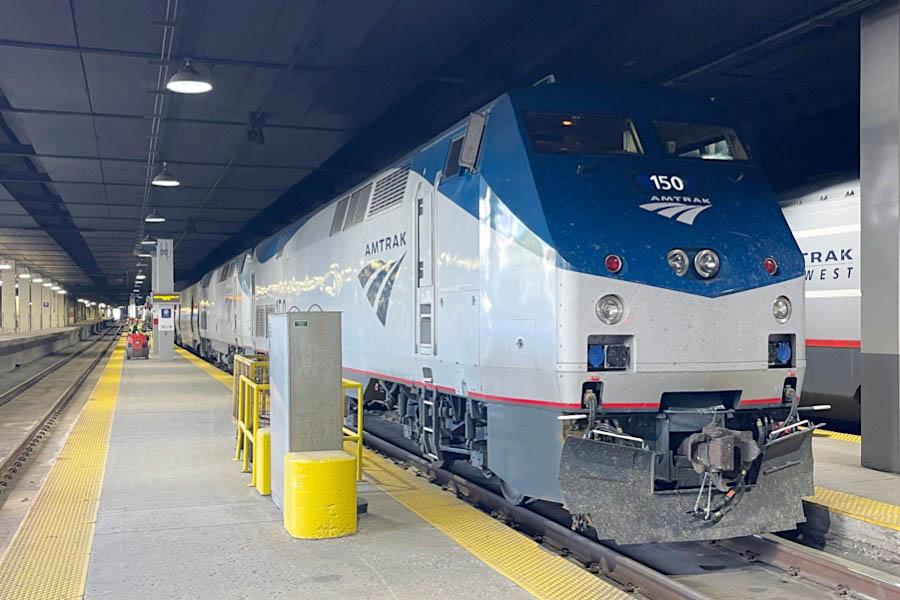
Attaching approved private cars to scheduled services is a different proposition from operating a dedicated charter train across the country. Existing private-railcar frameworks do not establish automatic rights to run an independent passenger train over freight-owned railroads.
Rail access, infrastructure compatibility, equipment availability, servicing and regulatory compliance each require negotiation with the relevant operators and infrastructure owners.
Strategic risk assessment
| Risk | Severity | Mitigation |
|---|---|---|
| Railroad access unavailable | Critical | Validate the route before any major investment |
| Operating costs exceed forecasts | Critical | Contract-based financial modeling |
| Insufficient customer demand | High | Paid demand tests and limited departures |
| Equipment shortages | High | Partner sourcing and phased deployment |
| Operational delays | High | Schedule buffers and contingency planning |
| Price sensitivity | High | Cabin segmentation and pricing tests |
| Service quality inconsistency | High | Operating standards and supplier accountability |
| Capital intensity | High | Asset-light launch and staged investment |
| Celebrity partnership dependency | Medium | Permanent culinary team, rotating guests |
| Seasonal demand | Medium | Seasonal itineraries and flexible scheduling |
The most important trade-off
Accessibility
Prices low enough to attract a meaningful customer base.
Experience quality
Comfortable cabins, exceptional scenery, distinctive programming.
Economic sustainability
Revenue per passenger that covers substantial rail operating cost.
All three cannot be maximized at once. The recommendation is to protect experience and sustainability while pursuing accessibility through scale and equipment utilization.
Governance & investment decision
Approve a $2M Feasibility Stage, Not a Fleet
The immediate executive decision is not whether to purchase trains. It is whether to authorize a structured, stage-gated programme to determine if the product can achieve sustainable demand, operational reliability and attractive risk-adjusted returns.
CEO investment verdict
Conditional goStrategic relevance
HighCustomer value proposition
Strong, pending validationDifferentiation potential
HighTechnical product feasibility
Moderate to highRail operating feasibility
UnprovenCapital intensity
HighRevenue opportunity
Promising, unquantifiedFinancial attractiveness
UnprovenLong-term scalability
ConditionalApprove the feasibility stage only. The concept merits serious investigation; it does not yet merit a fleet investment.
Proposed stage-gated roadmap
Phase 0 — Strategic feasibility
- Validate demand
- Evaluate operating partners
- Assess circular routes
- Test willingness to pay
Investment-grade feasibility
Phase 1 — Design & validation
- Select operating partner
- Finalize pilot itinerary
- Design onboard experience
- Validate acquisition economics
Commercial pilot case
Phase 2 — Pilot launch
- One departure city
- One validated itinerary
- Limited cabin categories
- Human-supported operations
Real operating data
Phase 3 — Network expansion
- San Francisco departures
- Chicago departures
- Grand Crossing
- Signature expeditions
Repeatable performance
Phase 4 — Platform scale
- Additional trainsets
- Seasonal departures
- Equipment investment
- International partners
Scalable platform
Planning stages, not promised launch dates. A delayed launch is preferable to committing customers to an unreliable or commercially unsustainable operation.
Initial funding recommendation — $2,000,000 ceiling
| Workstream | Proposed budget |
|---|---|
| Rail feasibility and operating assessment | $600,000 |
| Market research and demand validation | $250,000 |
| Financial and commercial modeling | $200,000 |
| Product and experience design | $300,000 |
| Legal, regulatory and insurance assessment | $300,000 |
| Contingency | $350,000 |
| Total | $2,000,000 |
Released against defined milestones. A second investment request follows only after credible operating proposals, validated demand data and an independently reviewed financial model.
Governance
| Function | Accountability |
|---|---|
| CEO / Executive Sponsor | Strategic direction and investment decisions |
| Venture General Manager | Commercial ownership and P&L |
| Product Leadership | Customer experience and digital product |
| Rail Operations Partner | Railway safety and service delivery |
| Finance | Investment modeling and capital allocation |
| Legal and Compliance | Contracts, insurance and regulatory matters |
| Commercial Partnerships | Suppliers, destinations and culinary programming |
| Marketing | Brand development and customer acquisition |
Strategic outlook, 2027–2032
| Year | Strategic objective | Expected milestone |
|---|---|---|
| 2027 | Feasibility and demand validation | Investment decision |
| 2028 | Operating partnerships and product development | Pilot readiness, subject to approvals |
| 2029 | Initial commercial operations | Validated customer and financial performance |
| 2030 | Additional U.S. itineraries | Expanded domestic network |
| 2031–2032 | Portfolio and distribution expansion | Scalable rail expedition platform |
What this proposal taught me
Validate the route before designing the experience
Railroad access is the binding constraint. No itinerary should be marketed as confirmed until an operating partner has validated it.
Asset-light first, equipment later
Ownership of rolling stock should follow proven demand and contracted operating economics — not precede them.
Celebrity chefs are seasoning, not the kitchen
A permanent culinary team protects baseline service quality; guest appearances must never become an operational dependency.
Measure completed, profitable journeys
Bookings alone mislead. A sold-out departure can still lose money, so the North Star pairs completion with contribution margin.
Accessibility belongs in the operating model
A premium product cannot advertise universal accessibility while relying on inaccessible heritage infrastructure.
Conditions for approval
The initiative should proceed to commercial launch only when management can demonstrate a contractually supported dedicated-train itinerary, sufficient willingness to pay, sustainable contribution margins at realistic occupancy, acceptable downside exposure, and an experience customers cannot easily replicate through existing packages.
The next value-creating milestone is not a polished train rendering or a celebrity announcement. It is a validated circular route, a credible operating partner, demonstrated willingness to pay, and a model that survives downside scenarios.
Discuss the Grand Circle investment case
Walk through the operating model, departure economics and the feasibility gates behind the conditional recommendation.